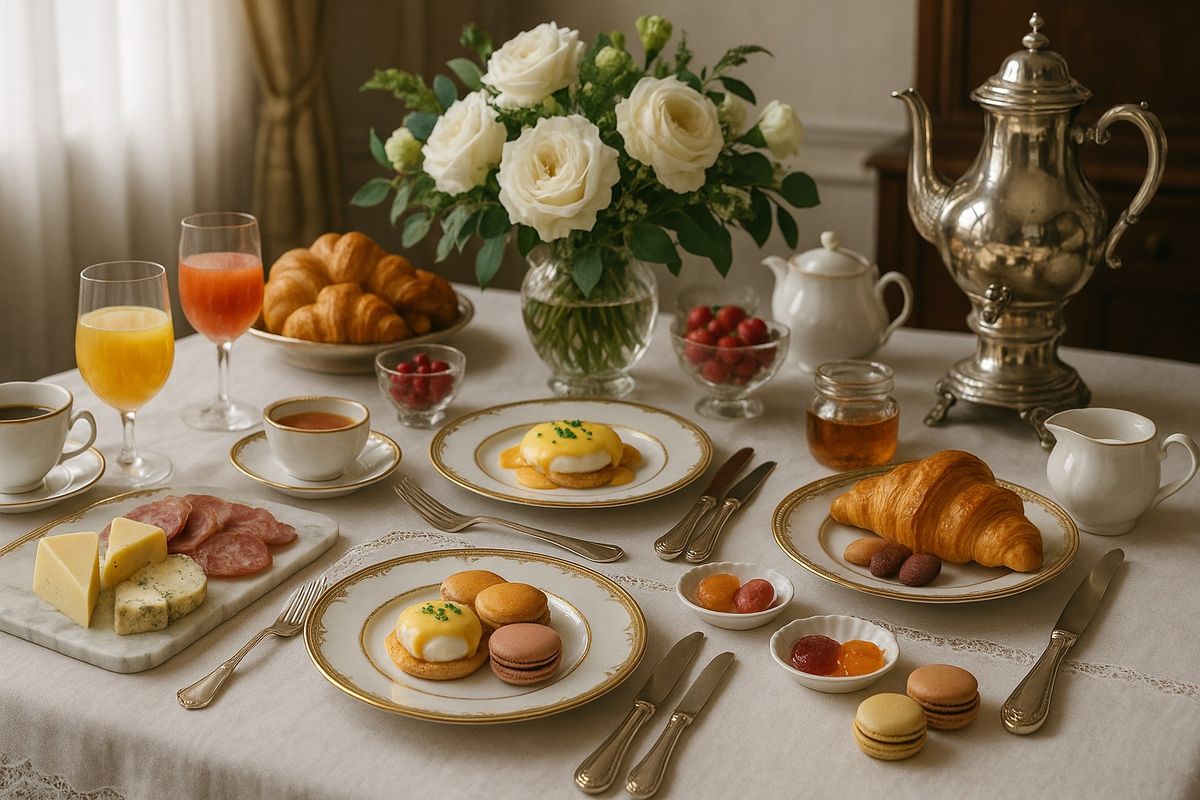
Lists that shrink
Each list column answers one question. When a column is empty, you do not add filler recipes—you add rest or repeat a winner.
Tikipunga · Aotearoa
In Whangārei and from home across the country, the studio shares food planning ideas in plain language: what to buy first, when to pre-cut, and how to name portions without drama. Nothing here is a promise of results—only patterns you can adapt. The goal is a kitchen that still feels like yours, only a little easier to read at end of day.
“Perfect” plans assume one kind of day. A routine only asks which three questions you will answer on Sunday night, which two meals get a second life as lunch, and where the blank row sits for the unexpected. That is the through-line in everything we publish.
Each list column answers one question. When a column is empty, you do not add filler recipes—you add rest or repeat a winner.
Rotation is described as a colour or texture slot, not a rule about your choices. The page suggests swaps the market can actually supply in season.
When the market shifts, the habit that stays is a short written note, not a long rewrite of your whole file. The bowl illustration on this page is abstract on purpose: it nudges you toward balance on a plate, not a rule about one ingredient. You keep the pen; we only suggest a frame for the list.
We spend space describing how to adjust rows when stone fruit arrives early, or when greens look tired in week two, so you are not startled when the first draft no longer matches the shelves.
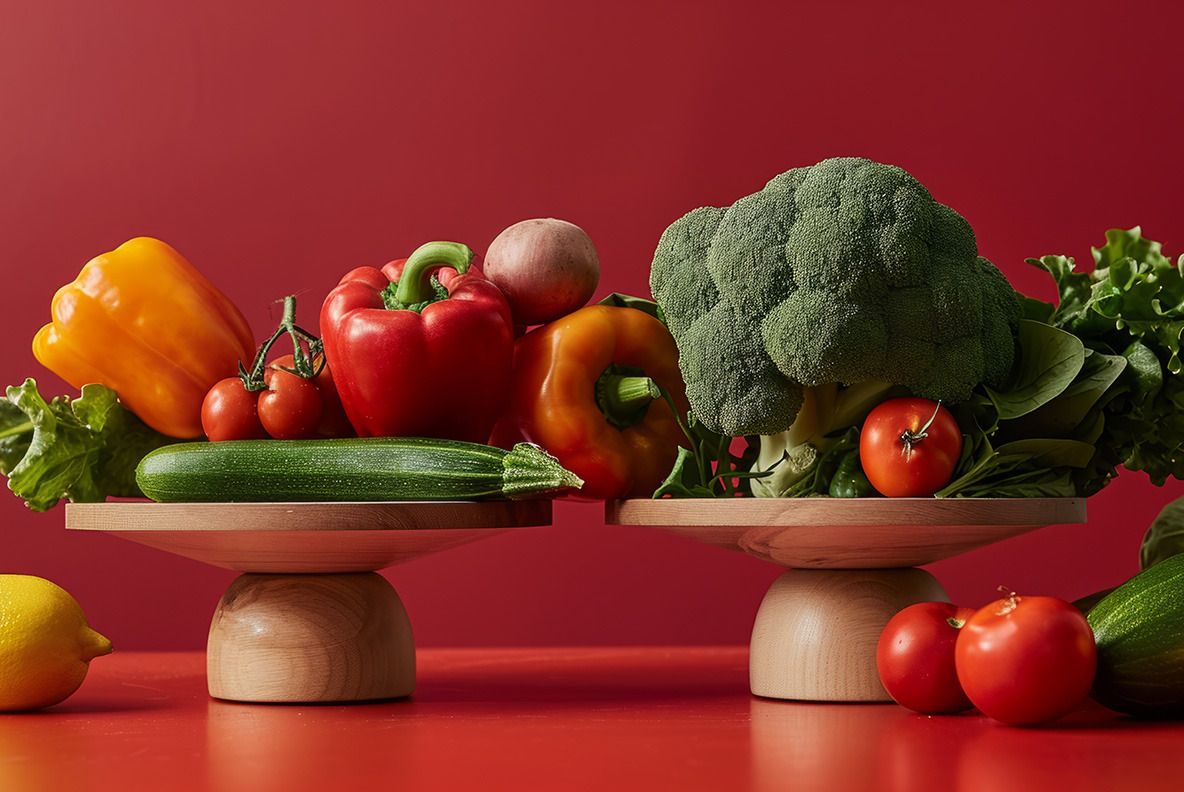
We encourage one slow pass a week, then a faster daily glance. The moves below are ordered on purpose. Skip them out of order and the list will still work—only the calm stack takes longer to rebuild.
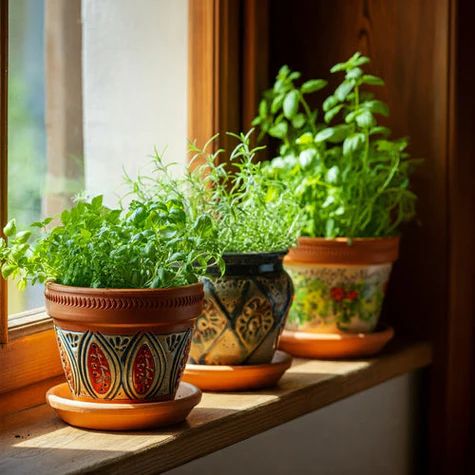
When a few fresh herbs live near a window, a sauce can stay simple. The planter graphic here stands for a smaller decision tree: you reach for the pot before you open every jar in a crowded rack. The studio pairs that image with a note about labelling jars by how often you touch them, not by alphabet, so the eye finds its path faster.
If you share a kitchen, the same pot becomes a small anchor for a conversation about who waters it—another low-stakes way to keep coordination visible.
The two bars are synthetic examples of how a reader might self-report, not a target we ask you to hit. They exist to show a layout pattern, not a promise about outcomes.
Meals become lighter to manage when the questions you ask in the kitchen are smaller, repeated, and phrased without comparing yourself to anyone else.
Move through the food page for the sequence we use in workshops, the wellbeing page for rest and hydration language in everyday words (general information, not care), and the contact form for anything you would rather not fit into a comment box.
Open everyday wellbeing